$342.00
| /
Sodium Lactate, a 60% concentration in water, and is the sodium salt of natural L(+)-Lactic Acid, produced through the fermentation of sugar, an alpha hydroxy acid that occurs everywhere in nature. It is used to harden cp, hp and shampoo bars. It has strong antimicrobial and humectant properties, making it an excellent emollient in skin care products as well.
Sodium lactate is also used in hot process soaps toward the end of the cook to create a more fluid soap that easier to get into the soap mold. When using sodium lactate, add it to your cooled lye water.
Non-GMO. Corn derived
INCI: sodium lactate
GUIDELINES
The question asked by many is: Use stearic acid or sodium lactate for a harder bar of soap? Too much stearic can make your soap seize. Stearic acid requires warm oil to melt the stearic acid. But it's easy to formulate (you can enter it in the lye calculator), and it gives you luscious bubbles! Also, it seems to speed trace. If you are a slow swirler, stearic quickens the trace time. Sodium lactate does affect the trace. The stearic seems to add more stable bubbles. The SL just makes a harder bar.
APPLICATIONS
Reduces irritation potential and increases the efficacy of Alpha and Beta Hydroxy Acids
All our products are for external use only
Shelf Life; Stored somewhere cool, dark, and dry, sodium lactate should last for at least 5–6 years.
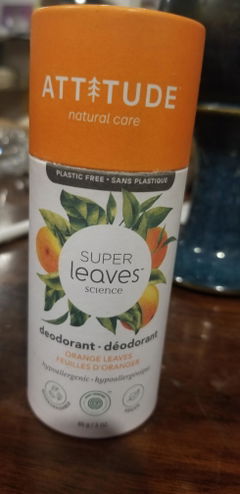
Could you make a kit or recomend a recipe without baking soda! The glycerine based ones don't seem to wrk and I've only found 1 company that does it right called attitude. Anyway would be a market for it for sure✔✔
I have been making many home care products for quite a few years now, and only recently discovered Soap and More. I can tell you that after two or three orders I am going to become a dedicated customer. Quality product, good price, prompt and efficient handling and delivery to the correct address. Can’t ask for more.🤗
Awesome service
Works wonders
The best coco oil ever